
East Africa has a funny way of changing your travel plans. You may come looking for wildlife and end up trekking through a rainforest to meet a gorilla, climbing a mountain, or drifting above the Savannah in a hot-air balloon.
From Uganda and Kenya to Tanzania and Rwanda, East Africa offers an extraordinary mix of wildlife, culture, adventure, mountains and beaches.
Here are 15 of the best things to do in East Africa.
1. What makes Gorilla Trekking in Uganda and Rwanda so special?
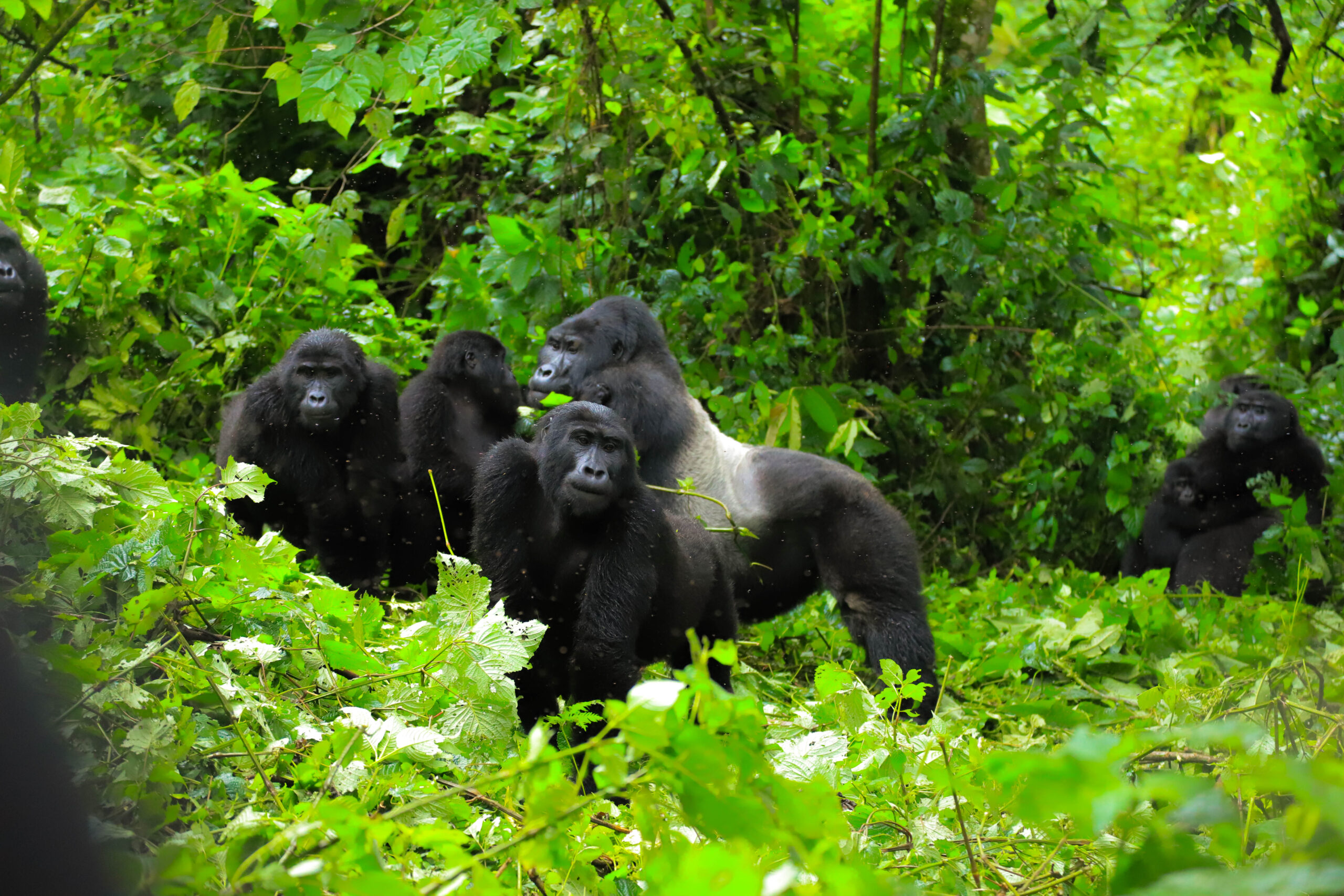
Somewhere deep in the forest, a gorilla family may be having a perfectly ordinary morning, unaware that visitors have traveled thousands of kilometers to find them. That is the magic of gorilla trekking. In Uganda, you can trek through Bwindi Impenetrable National Park and Mgahinga Gorilla National Park, while Rwanda offers the experience in Volcanoes National Park.
The trek can be challenging, with thick forest, uneven ground and steep slopes, but the moment you meet the gorillas, everything seems to go quiet. You may watch a playful youngster, a mother with her baby or a silverback calmly watching over the group. Uganda and Rwanda both offer unforgettable experiences, with the best choice depending on your budget, itinerary and travel plans. One thing is certain: the forest does not give up its secrets easily.
2. Why should you go on safari in Kenya’s Maasai Mara?
The Maasai Mara is the kind of place where you can leave your lodge looking for lions and return with a completely different story. Perhaps elephants cross the road, a leopard appears in the distance, or your guide suddenly says, “Look over there,” and everyone goes quiet. Kenya’s Maasai Mara National Reserve is famous for its open grasslands, abundant wildlife and excellent game viewing, including lions, elephants, buffalo, leopards and many other species.
The Mara is also closely linked to the Great Migration, when wildebeest and zebras move through the region in search of fresh grazing. Beyond the wildlife, the wide plains, morning light and distant acacia trees create the classic African safari setting many travelers dream of. And if you continue to Tanzania, the Serengeti offers another chance to experience East Africa’s remarkable wildlife.
3. Where can you relax after a busy safari?
After several days of early game drives, dusty roads and exciting wildlife encounters, some time by the ocean may be exactly what you need. Zanzibar is a popular choice, with white sandy beaches, clear waters and rich Swahili history. Explore Stone Town, visit spice farms, enjoy fresh seafood or simply do nothing. The latter is a perfectly respectable holiday activity.
For another coastal escape, consider Diani Beach in Kenya, known for its long sandy shoreline, palm trees and relaxed atmosphere. A safari and beach holiday is a wonderful way to experience two very different sides of East Africa in one trip.
4.What is it like to climb Mount Kilimanjaro?
At 5,895 meters, Mount Kilimanjaro is Africa’s highest mountain and one of its most recognizable landmarks. The climb takes you through forests, moorland, alpine desert and finally the high mountain environment near the summit. It is not exactly a walk in the park, although the first part may make you think otherwise.
As you climb higher, the air gets thinner, temperatures drop and every step requires more determination. Good preparation, acclimatization and a steady pace are essential. Reaching the summit, standing above the clouds with the landscape stretching far below, is the kind of moment that stays with you long after the journey home. You might want Mountain Rwenzori to be your next as it offers a completely different kind of experience.
5. Why is Lake Bunyonyi worth visiting in Uganda?
Lake Bunyonyi is where Uganda seems to lower its voice. Located in southwestern Uganda, the lake is surrounded by green terraced hills and scattered islands. Its calm waters and beautiful scenery make it ideal for relaxing after a safari or before a gorilla trekking adventure.
A boat ride is a wonderful way to enjoy the lake, take in the views and observe local life. There is no need to rush here. For another beautiful lakeside escape, Lake Kivu in Rwanda also offers relaxation, water activities and visits to nearby towns.
6. How can you experience Maasai culture in East Africa?
East Africa is not only about wildlife and landscapes. Its people, traditions and stories are an important part of the experience. A visit to a Maasai community in Kenya or Tanzania offers a chance to learn about traditional ways of life, music, dance, beadwork, clothing and the relationship between the community and its environment.
The experience is best approached with an open mind and genuine respect. Take time to listen, ask questions and understand the traditions being shared with you. Cultural visits are not about stepping into the past, but about meeting people and learning from them. And if you are lucky, you may even discover that your dancing skills are not quite as impressive as you thought! If you are visiting Uganda instead, the Karamojong will shock you with their diverse and different kind of lifestyle from what you are used too.
7. Is a Hot Air Balloon Safari worth adding to your trip?
A game drive brings you close to the Savannah, while a hot air balloon safari gives you a completely different perspective. In destinations such as the Maasai Mara and Serengeti, flights usually begin around sunrise, when the landscape is cool and the first light spreads across the plains. From above, you can watch herds move across the grasslands, rivers wind through the landscape and truly appreciate the scale of the wilderness.
The balloon moves quietly with the wind, creating a peaceful contrast to the excitement of a game drive. It is also one of those rare safari experiences where you can look down at the landscape and, for a little while, forget about checking your phone.
8. What can you see on a Nile River boat safari?
The Nile is one of Uganda’s most important natural features, and a boat safari offers a wonderful way to experience its wildlife. In Murchison Falls National Park, a boat trip towards the base of the falls may reveal hippos in the water, crocodiles on the shore and elephants coming down to drink. Birdwatchers can also spot a variety of waterbirds and other species along the river.
The journey becomes even more impressive as you approach the falls, where the entire Nile is forced through a narrow gorge of about 7meters wide before continuing downstream. For travelers visiting Tanzania, the Rufiji River offers another opportunity to explore wildlife from the water, with chances to see hippos, elephants and a variety of bird species.
9. What can you Discover in Kigali, Rwanda?
Kigali is a city that deserves more than a quick stop between flights. Rwanda’s capital is known for its clean streets, lively markets, restaurants, craft shops and growing arts scene. It is also a place to learn about the country’s history and its journey towards rebuilding.
A visit to the Kigali Genocide Memorial is a moving experience and an important opportunity to understand Rwanda’s past. Beyond its history, Kigali offers plenty to explore, from local food and crafts to simply enjoying the city’s atmosphere. It is also a convenient starting point for travelers heading to Volcanoes National Park for gorilla trekking. Meanwhile, a city Tour to any other East African Capital will still offer you the same or even more satisfaction.
10. Why should you Explore the Ngorongoro Crater?
The Ngorongoro Crater is one of Tanzania’s most remarkable natural attractions. Formed by the collapse of a large volcanic mountain, it contains grasslands, woodland, lakes and wetlands that support abundant wildlife. As you descend, the scenery changes around you, with the steep crater walls creating a dramatic safari setting.
The area is home to lions, elephants, buffalo, rhinos and many other species, making game drives particularly rewarding. It is easy to see why Ngorongoro has earned such a strong reputation: the landscape is impressive, the wildlife is abundant and the setting feels unlike almost anywhere else.
11. Why should you Take a Local Cooking Class in East Africa?
Sometimes, the best way to understand a place is to eat your way through it. A local cooking class lets you learn about East African food, ingredients and traditions while preparing a meal with local guidance. Depending on where you travel, you may learn to make dishes such as ugali, nyama choma, matooke, luwombo, chapati or a Ugandan Rolex.
In Uganda, making a Rolex can be particularly entertaining. It is a simple combination of chapati, eggs and other ingredients, but watching it come together is part of the fun. Cooking classes are a great way to meet local people, discover new flavors and take home something more useful than another photograph. Although, of course, there is nothing wrong with taking the photograph too.
12. What makes Jinja City one of Africa’s best adventure destinations?
Jinja is a favourite for travellers who like their holidays with a little excitement. Located along the Nile, the town is known for white-water rafting and bungee jumping. Rafting takes you through the river’s rapids, while bungee jumping offers a very different way to appreciate the Nile. From a safe distance, preferably.
But Jinja is not only about adventure. You can explore the town, enjoy riverside scenery, visit local communities and learn more about the Nile and its importance to Uganda. For travelers with extra time after a safari, Jinja is a great place to add a few days of adventure and relaxation, and a reminder that Uganda has plenty to offer beyond its national parks.
13. What makes Akagera National Park special?
Rwanda’s Akagera National Park offers a different side of the country from the misty forests of Volcanoes National Park. Its Savannah plains, wetlands, lakes and woodlands create a varied environment for wildlife and birds. Akagera is also known for its conservation efforts and the recovery of wildlife populations. Today, visitors can enjoy game drives in search of elephants, lions, buffalo and giraffes.
A boat trip on Lake Ihema is another rewarding experience, with opportunities to see hippos, crocodiles and waterbirds. For travelers visiting Rwanda for gorilla trekking, Akagera adds a classic Savannah safari to the itinerary.
14. What can you see at Lake Nakuru National Park?
Kenya’s Lake Nakuru National Park is known for its bird-life, beautiful scenery and important rhino population. The lake has long been associated with flamingos, although their numbers and location can change with water conditions and food availability. The park is also home to rhinos, lions, leopards and other wildlife, with lake scenery, open land and surrounding hills making it appealing to photographers and nature lovers.
15. Why should you visit Queen Elizabeth National Park?
Queen Elizabeth National Park is one of Uganda’s most diverse safari destinations, offering wildlife, beautiful scenery and water-based experiences. The park is home to elephants, lions, leopards, buffalo and many bird species, with landscapes ranging from open savannah to wetlands and crater lakes. One highlight is a boat cruise along the Kazinga Channel, where you can see schools of hippos, crocodiles, elephants, other animals and a variety of bird spieces along the banks.
Early morning and late afternoon are especially rewarding, when the light softens the landscape and wildlife becomes more active. And if you are carrying a camera, this is one of those places where you may find yourself taking far more photographs than planned.
The park is also known for its famous tree-climbing lions, particularly in the Ishasha sector. What makes Queen Elizabeth special is the variety of experiences in one destination: enjoy a morning game drive, spend the afternoon on the channel and finish the day watching the sun settle over the savannah. That is a pretty good day, even by safari standards.
What are the best things to do in East Africa?
The beauty of East Africa is that no two journeys have to be the same. You may come for the gorillas and fall in love with the hills, or come for the lions and end up remembering the sunset. You can plan every detail of your safari and still find that your favorite moment was something you never expected. That is part of the region’s charm. The wildlife is extraordinary, but so are the People, quiet moments, conversations, landscapes and little surprises along the way.
At Green World Safaris, we specialize in memorable Uganda safari experiences, from gorilla trekking and chimpanzee tracking to wildlife safaris, cultural encounters and relaxing escapes. With more than 15 years of experience and a strong focus on Uganda’s remarkable destinations, we can help you plan a safari around the places and experiences you want to discover.
