When travelers think about an African safari, the first things that usually come to mind are lions, elephants, giraffes, gorillas, leopards, endless savannas and beautiful sunsets. And, of course, the photographs. But behind many of those unforgettable moments is someone who does not always get the attention they deserve: the safari guide.
A safari guide is often the person sitting behind the wheel, quietly watching the road while everyone else is looking out for wildlife. They are the person who suddenly slows down and says, “There is something over there,” even though nobody else can see anything. Then, somehow, after a few seconds of staring through binoculars, everyone discovers a lion hiding in the grass. At that point, you start wondering whether the guide has better eyesight than the rest of the vehicle combined.
The truth is that it is not simply eyesight. It is experience. Safari guides spend years learning to read the bush. They notice animal tracks, broken branches, fresh dung, bird calls, movement in the grass and small changes in animal behavior that most visitors would easily miss. What looks like an ordinary patch of vegetation to a traveler can tell an experienced guide an entire story.
What Does a Safari Guide Do Before the Game Drive?
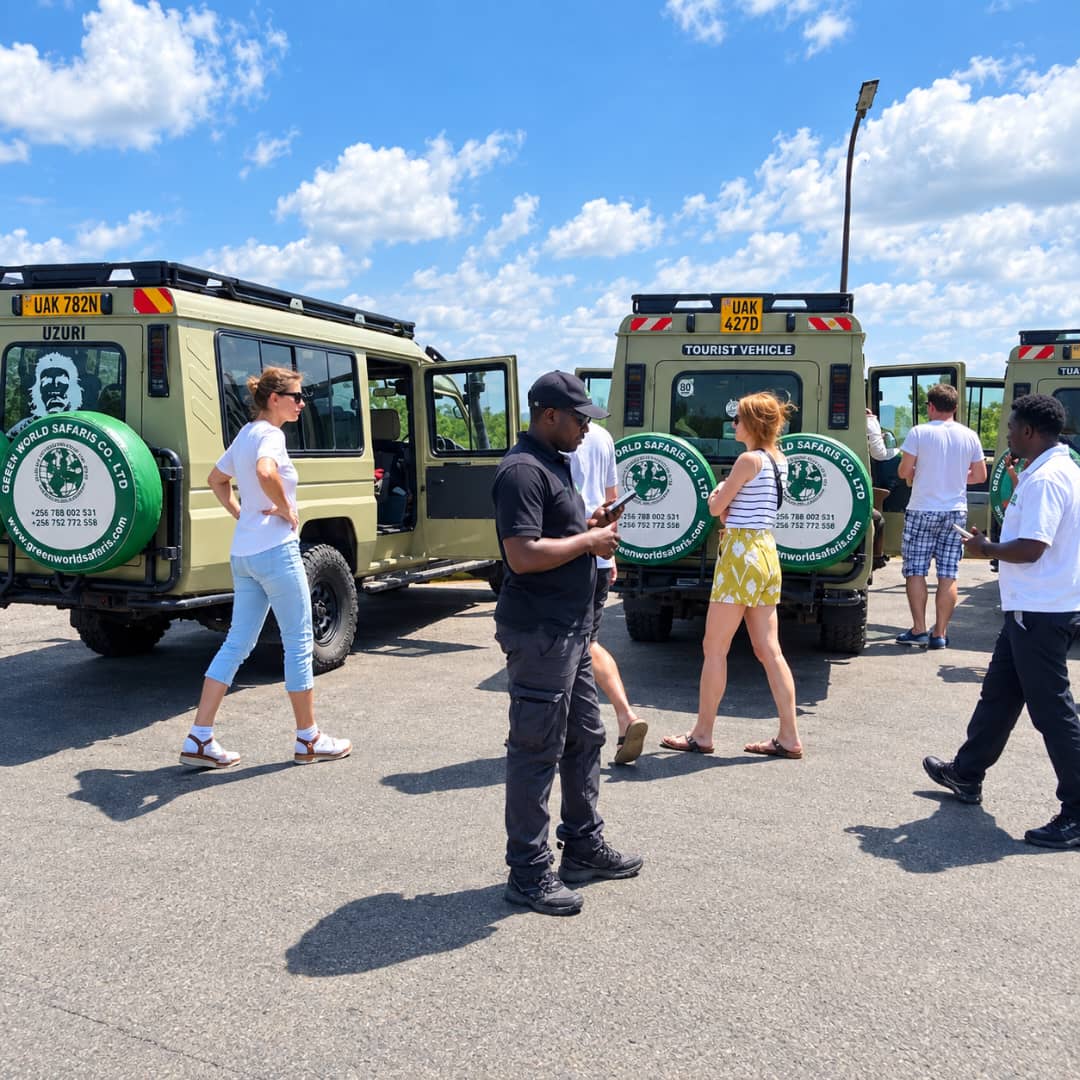
For the traveler, the safari may begin when they finish breakfast, grab their camera and climb into the vehicle. For the guide, the day has usually started much earlier. The vehicle needs to be checked, fuel confirmed, tyres inspected and equipment prepared. The guide may also check the day’s route, weather conditions and recent wildlife sightings.
There is also communication with other guides and people working in the park. A sighting from another vehicle can change the direction of a game drive, and information about road conditions or wildlife movements can be useful when deciding where to go. None of this is particularly glamorous, and it rarely makes it into the holiday photographs, but it is part of what keeps a safari running smoothly.
And then there are the guests. Every group is different. Some arrive with years of wildlife knowledge and binoculars that look more expensive than the safari vehicle. Others are experiencing their first safari and may not know an impala from an eland. Some want to photograph every bird they see, while others are waiting patiently for the Big Five. A good guide learns to work with all of them.
Why Is Every Safari Day Different?
One of the most interesting things about being a safari guide is that there is no completely predictable day. A guide can have a carefully planned route in the morning, but wildlife does not follow an itinerary. An elephant herd may move away from an area overnight. Lions may settle somewhere completely different. A leopard may disappear into thick vegetation just before the vehicle arrives. Rain can change the roads, and a fresh wildlife sighting can suddenly change the entire plan.
This is why guiding requires flexibility. A professional guide needs to know when to follow the plan and when to change it. Sometimes the most memorable experience of the day is something that was never on the itinerary in the first place.
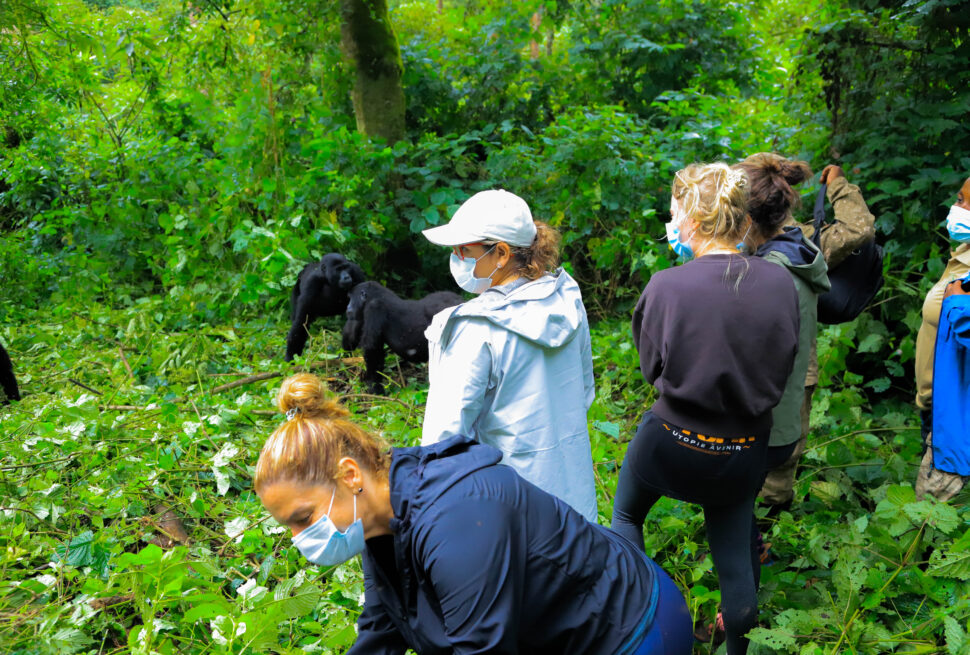
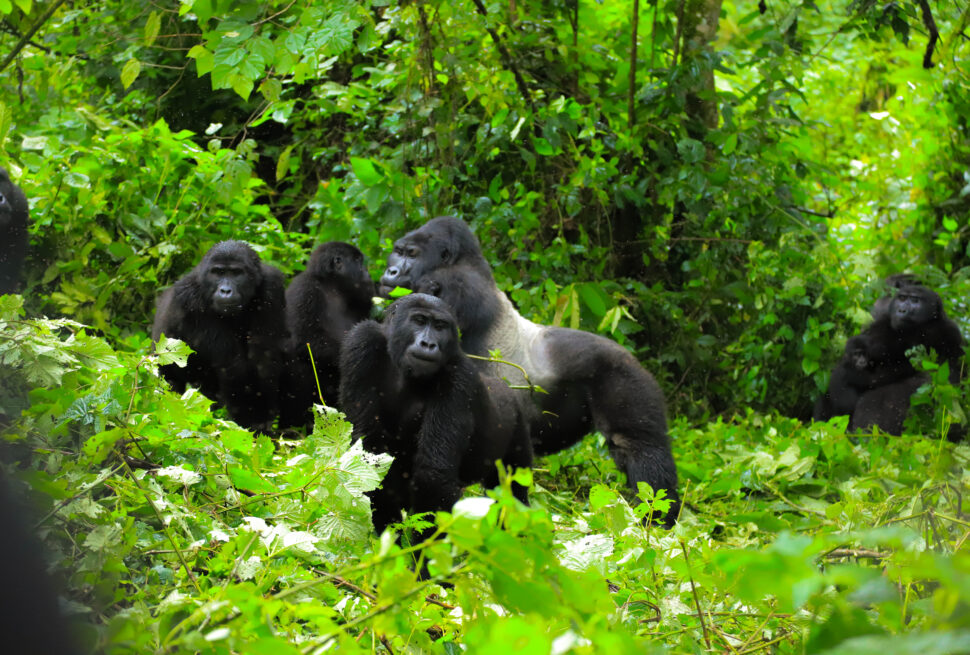
This applies across East Africa. In Uganda, a day could involve searching for lions in Queen Elizabeth National Park, tracking chimpanzees in Kibale or spending hours in the forest with mountain gorillas in Bwindi. In Kenya and Tanzania, the experience may revolve around vast Savannah landscapes and constantly moving herds. In Rwanda, the forest may offer a completely different kind of wildlife encounter. The destinations are different, the wildlife is different and the guides are different, but the unpredictability of nature remains part of the job.
Is a Safari Guide Just a Driver?
Definitely not. Driving is only one part of the job. A safari guide is also an interpreter of the natural world, an educator, a storyteller, a safety officer and, depending on the situation, sometimes a problem solver.
A good guide does not simply tell you that you are looking at an elephant. They can explain how elephants communicate, what they are feeding on, how they interact with their environment and why their conservation matters. They can explain why a lion is resting instead of hunting, why a particular bird is making an alarm call or why a group of animals suddenly becomes alert.
This is where a safari becomes more than simply seeing animals. The guide helps travelers understand what they are seeing. A footprint becomes a clue. A bird call becomes information. A broken branch becomes evidence that something passed through the area. The landscape starts to make sense.
Of course, guides also have to answer questions that are sometimes completely unexpected. “Can a lion climb a tree?” “Why does a giraffe have such a long neck?” “Does a hippo actually swim?” These are all fair questions. And after answering questions all morning, the guide may still have enough patience to explain the difference between three different antelope species that, to everyone else, look remarkably similar.
How Do Safari Guides Contribute to Conservation?
There is another important part of guiding that travelers do not always notice: conservation. A safari guide spends much of their working life in or around protected areas, so they understand that wildlife tourism is connected to something much bigger than a game drive.
Guides help travelers understand why national parks and protected forests matter. They explain animal behavior, conservation challenges and the importance of respecting wildlife. They remind guests to keep a safe distance, remain inside the vehicle when required and avoid actions that could disturb animals.
These may seem like small things, but responsible tourism is built on small decisions. A guide who asks a driver to move away from an animal, or tells guests to lower their voices, is not trying to spoil a photograph. They are helping protect the very experience travelers have come to enjoy.
Tourism also connects wildlife areas with local communities and businesses. The guide is often one of the people helping travelers understand that their safari supports a much wider network of people whose livelihoods are connected to tourism and conservation.
What Do Travelers Often Miss About Their Guides?
Perhaps the biggest thing travelers miss is just how much the guide is paying attention. While guests are looking through cameras and binoculars, the guide is watching the road, checking the surroundings, listening for information and keeping track of what is happening around the vehicle.
They may notice that guests are getting tired and adjust the pace. They may remember where an animal was seen earlier. They may recognize a bird call before anyone else hears it. They may know when to stop talking and allow everyone to enjoy a quiet moment in the wilderness.
These things are easy to overlook because good guiding often feels effortless. When everything goes well, guests simply enjoy the experience. But that ease is usually the result of preparation, knowledge and years of experience.
There is also the human side of the job. Guides meet people from all over the world, each with different expectations, personalities and interests. They spend long hours with their guests, often sharing stories, answering questions and making sure everyone feels comfortable. By the end of the safari, the guide may know which guest loves birds, which one is obsessed with photography and which one has asked whether every animal they see is dangerous.
So, What Is a Day in the Life of a Safari Guide Really Like?
There is no single answer because there is no single type of safari guide. Some have spent decades in the bush. Others are still building their experience. Some have an extraordinary knowledge of birds, while others can tell you almost everything about primates, big cats or local communities. Their personalities are different, their destinations are different and their daily routines are different.
What they share is a profession that requires knowledge, patience, responsibility and a genuine connection with the natural world. Their days can begin before sunrise and continue after guests have returned to their lodges. They work in heat, rain, dust and sometimes difficult road conditions, yet they continue doing what they do because they understand the value of giving travelers a meaningful connection with the wilderness.
Perhaps that is why safari guides deserve a little more attention than they usually receive.
The next time you are on safari in Uganda, Kenya, Tanzania or Rwanda, look beyond the animal you are trying to photograph for a moment. Watch the guide. Notice how they scan the landscape. Listen when they explain something you would otherwise have missed. Ask questions. Let them share their knowledge. And when the day ends and you are sitting at your lodge talking about the amazing animals you saw, remember the person who helped you find them and understand them.
The lion may be the star of the photograph, but the guide is often part of the reason you got the photograph in the first place.
Ready to Experience an East African Safari?
A memorable safari is about more than ticking animals off a list. It is about understanding the landscape, respecting wildlife, meeting the people who know the destination and coming home with stories that are bigger than the photographs on your camera.
At Green World Safaris, we believe that the people behind your safari matter. From Uganda’s forests and savannas to the wider East African wilderness, our goal is to create experiences that connect travelers with wildlife, nature, culture and conservation.